
Canada invests $28.9M in clean energy innovation projects across the country

April 1, 2026
BY Natural Resources Canada
Advertisement
Advertisement
Related Stories

Saipem and Capsol Technologies ASA have signed a cooperation agreement to jointly develop industrial-scale carbon capture projects using Hot Potassium Carbonate technology, building on their existing collaboration on a Stockholm Exergi bioenergy plant currently under construction.
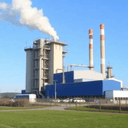
Lafarge France has signed a Front End Engineering Design (FEED) contract with Air Liquide for the eCapt‑Rhône du Teil project, marking a major step toward launching a CO₂ capture facility at the Le Teil cement plant. The installation is expected to begin operating in 2029 and will convert captured carbon into low‑carbon e‑methanol.

Engineered carbon removal activity remained strong in Q4 2025, driven by biogenic technologies such as BECCS and biochar, which together accounted for 86% of quarterly volumes. Microsoft led major purchases, including record-breaking deals in both BECCS and mineralization. December dominated activity due to end‑of‑year procurement cycles. As the market enters 2026, buyers are expected to prioritize reliable, scalable pathways while selectively expanding into emerging CDR technologies.

Nigeria issued its first industrial‑scale carbon‑removal credits through Releaf Earth, marking the country’s entry into the global carbon‑removal market. The 190 tonnes of biochar‑based credits were purchased by companies including Salesforce. Officials see carbon markets as a major economic opportunity as Nigeria works to diversify beyond oil.
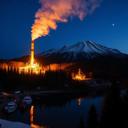
Deep Sky is applauding Quebec’s introduction of Bill 17, which creates a long‑awaited legal framework for underground carbon storage. The company says the legislation will support permanent carbon removal, unlock major investment, and help the province reach its climate targets.
Upcoming Events

@ Copyright 2026 - BBI International - All rights reserved.