

NUS Scientists to Transform Waste Carbon Dioxide into High-Value Chemicals
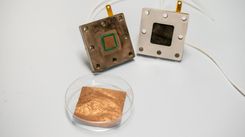
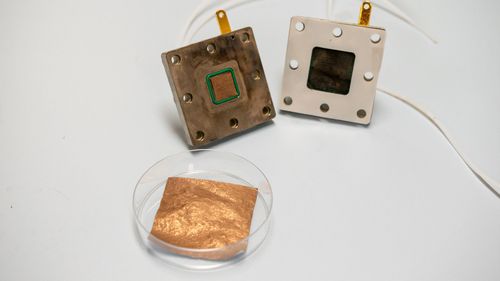
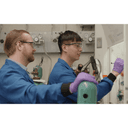
The NUS team designed a nickel-based composite catalyst (extreme left) that facilitates the direct conversion of carbon dioxide from flue gas into multi-carbon products with remarkable efficiency.
May 15, 2024
BY National University of Singapore
Advertisement
Advertisement
Related Stories
Researchers in Singapore have developed a process that converts shrimp shells and other organic waste into carbon-negative hydrogen, protein for aquaculture feed and calcium carbonate for construction materials, with commercialization efforts now underway.
MIT researchers have identified a new electrochemical approach to carbon capture using N-heterocyclic imine-based sorbents. The technology could reduce the energy demands of carbon capture systems while improving scalability and flexibility, offering a potential pathway toward more efficient carbon dioxide removal and utilization.

KBR's PureSAF technology has been selected by NorSAF for a sustainable aviation fuel and e-SAF production facility in Latvia that is expected to become the largest of its kind in Northern Europe. The plant is planned to produce 100,000 tons of fuel annually beginning in 2030.

Carbon Centric inaugurated Norway's first Canopy by T.EN™ carbon capture unit on Oct. 16 at its Rakkestad waste-to-energy facility. Developed through an alliance between Shell Catalysts & Technologies and Technip Energies, the modular system has been operating since October 2025, capturing upward of 10,000 tonnes of CO₂ annually at above a 95% capture rate.

A new Carbon Direct report found that lengthy power grid interconnection delays in PJM and ERCOT could slow data center growth as electricity demand surges. The analysis showed most queued energy projects may never become operational, while approval timelines far exceed federal targets.
Upcoming Events

@ Copyright 2026 - BBI International - All rights reserved.