

Researchers turn shrimp shells into carbon-negative hydrogen, construction materials
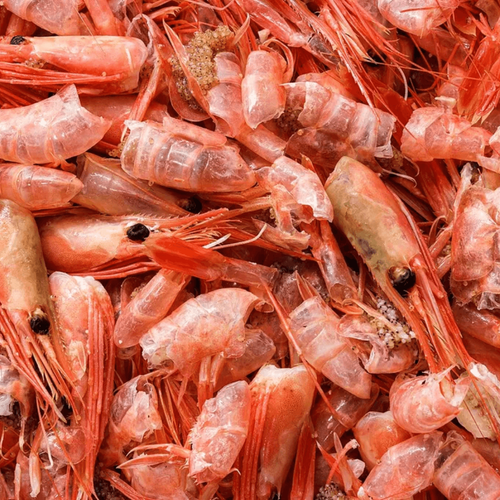
Source: Smithsonian Magazine
July 6, 2026
BY Smithsonian Magazine
Advertisement
Advertisement
Related Stories

Scientists have developed a low-waste method for directing the structure of porous materials by adding just a few drops of liquid during mechanochemical synthesis. The technique could improve materials used for carbon capture, fuel purification and industrial chemical processes while reducing solvent use, energy consumption and production costs.

The International ESG Association and POSCO International have partnered to research biochar-based carbon reduction in Indonesian palm plantations. The project will map soil carbon, evaluate long-term carbon storage and explore future carbon credit opportunities as part of broader sustainability efforts.

MIT researchers have identified a new electrochemical approach to carbon capture using N-heterocyclic imine-based sorbents. The technology could reduce the energy demands of carbon capture systems while improving scalability and flexibility, offering a potential pathway toward more efficient carbon dioxide removal and utilization.

A new Carbon Direct report found that lengthy power grid interconnection delays in PJM and ERCOT could slow data center growth as electricity demand surges. The analysis showed most queued energy projects may never become operational, while approval timelines far exceed federal targets.

Aarhus University researchers have developed a method to convert discarded nitrile rubber gloves into a reusable material that captures carbon dioxide from flue gas, offering a potential solution for both waste management and industrial emissions.
Upcoming Events

@ Copyright 2026 - BBI International - All rights reserved.