

Specialist CO2 conversion research hub opens at Monash University
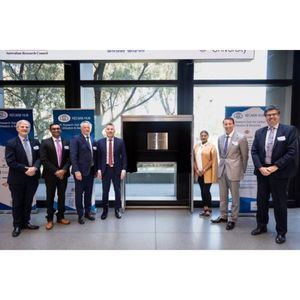
L-R : Professor David Copolov AO, Professor Akshat Tanksale Deputy Director RECARB, Professor Paul Webley, Director RECARB, Richard Johnson, Deputy Chief Executive Officer of the Australian Research Council, Cassandra Fernando MP, Federal Member for
November 16, 2023
BY Monash University
Advertisement
Advertisement
Related Stories
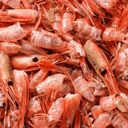
Researchers in Singapore have developed a process that converts shrimp shells and other organic waste into carbon-negative hydrogen, protein for aquaculture feed and calcium carbonate for construction materials, with commercialization efforts now underway.
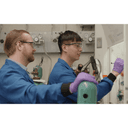
MIT researchers have identified a new electrochemical approach to carbon capture using N-heterocyclic imine-based sorbents. The technology could reduce the energy demands of carbon capture systems while improving scalability and flexibility, offering a potential pathway toward more efficient carbon dioxide removal and utilization.

KBR's PureSAF technology has been selected by NorSAF for a sustainable aviation fuel and e-SAF production facility in Latvia that is expected to become the largest of its kind in Northern Europe. The plant is planned to produce 100,000 tons of fuel annually beginning in 2030.

Mazda successfully demonstrated onboard CO₂ capture and storage during the Super Taikyu Series 2026, capturing 804 grams of CO₂ over a 24-hour race. The achievement marks a significant step toward practical application of the technology and Mazda’s goal of realizing carbon-negative mobility by 2035.

Carbon Centric inaugurated Norway's first Canopy by T.EN™ carbon capture unit on Oct. 16 at its Rakkestad waste-to-energy facility. Developed through an alliance between Shell Catalysts & Technologies and Technip Energies, the modular system has been operating since October 2025, capturing upward of 10,000 tonnes of CO₂ annually at above a 95% capture rate.
Upcoming Events

@ Copyright 2026 - BBI International - All rights reserved.