

University of Texas at Austin Develops New, Faster Carbon Storage Technology
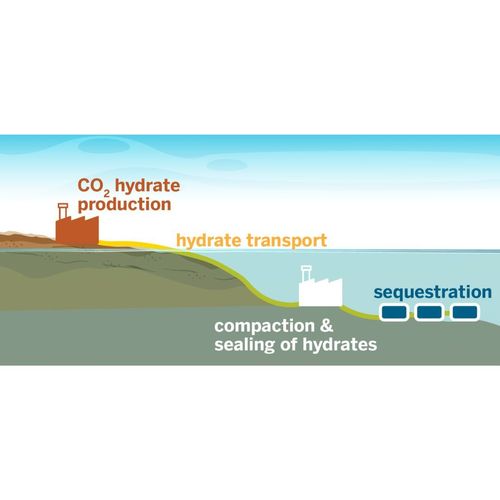
PHOTO: University of Texas at Austin
July 10, 2024
BY University of Texas at Austin
Advertisement
Advertisement
Related Stories

The International ESG Association and POSCO International have partnered to research biochar-based carbon reduction in Indonesian palm plantations. The project will map soil carbon, evaluate long-term carbon storage and explore future carbon credit opportunities as part of broader sustainability efforts.
Researchers in Singapore have developed a process that converts shrimp shells and other organic waste into carbon-negative hydrogen, protein for aquaculture feed and calcium carbonate for construction materials, with commercialization efforts now underway.

MIT researchers have identified a new electrochemical approach to carbon capture using N-heterocyclic imine-based sorbents. The technology could reduce the energy demands of carbon capture systems while improving scalability and flexibility, offering a potential pathway toward more efficient carbon dioxide removal and utilization.

Aalborg Portland has signed an agreement with the Danish Energy Agency to receive a carbon capture subsidy of up to approximately EUR 2.2 billion over 15 years for its ACCSION carbon capture and storage project. The project is expected to capture up to 1.25 million tons of CO₂ annually from 2030 and represents a major step in Cementir Holding’s path toward net-zero emissions.

A new Carbon Direct report found that lengthy power grid interconnection delays in PJM and ERCOT could slow data center growth as electricity demand surges. The analysis showed most queued energy projects may never become operational, while approval timelines far exceed federal targets.
Upcoming Events

@ Copyright 2026 - BBI International - All rights reserved.