

KBC Launches Multiflash 7.6 for Advanced Modeling of CCS and Complex Fluids
Photo: KCB
November 12, 2025
BY KCB
Advertisement
Advertisement
Related Stories
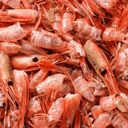
Researchers in Singapore have developed a process that converts shrimp shells and other organic waste into carbon-negative hydrogen, protein for aquaculture feed and calcium carbonate for construction materials, with commercialization efforts now underway.

Carbon Clean's expansion in India is expected to support up to 250 skilled jobs in the U.K. and generate £83 million for the economy over five years, with manufacturing centered in northern England as the company scales its carbon capture technology.
Carbon Direct has published a new framework for voluntary buyers of low-carbon fuels, outlining six principles covering social and environmental safeguards, carbon accounting, additionality, feedstock sourcing and leakage to help improve transparency and quality across the growing market.
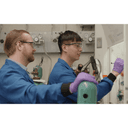
MIT researchers have identified a new electrochemical approach to carbon capture using N-heterocyclic imine-based sorbents. The technology could reduce the energy demands of carbon capture systems while improving scalability and flexibility, offering a potential pathway toward more efficient carbon dioxide removal and utilization.

KBR's PureSAF technology has been selected by NorSAF for a sustainable aviation fuel and e-SAF production facility in Latvia that is expected to become the largest of its kind in Northern Europe. The plant is planned to produce 100,000 tons of fuel annually beginning in 2030.
Upcoming Events

@ Copyright 2026 - BBI International - All rights reserved.